Twenty-one news publishers challenge India's data protection law; Supreme Court seeks the Centre's reply
The Digital News Publishers Association, whose 21 members include Network18, NDTV, The Indian Express, Times Internet and The Hindu, told the Supreme Court that the Digital Personal Data Protection Act would force journalists to seek consent from the people they report on and could shut newsrooms; a bench led by CJI Surya Kant issued notice to the Centre, refused a stay without hearing the government, and listed the case for 17 November.
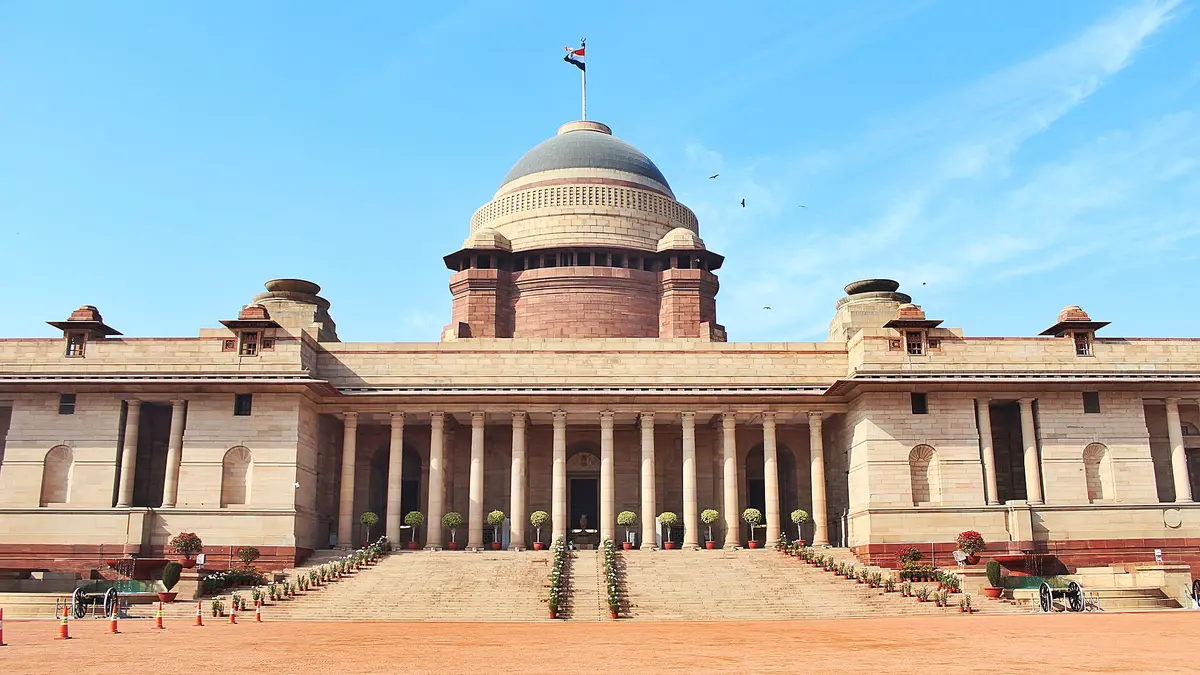
Photo: Ronakshah1990, CC BY-SA 4.0
On 27 October a Supreme Court bench of Chief Justice of India Surya Kant, Justice Joymalya Bagchi and Justice V. Mohana issued notice to the Union government on a petition by the Digital News Publishers Association (DNPA) and an independent journalist challenging parts of the Digital Personal Data Protection Act, 2023 and the DPDP Rules, 2025. The DNPA's members are the digital arms of 21 news organisations, including Network18, NDTV, The Indian Express, Times Internet, The Hindu, India Today, Zee Media, ABP, Malayala Manorama, Mathrubhumi, Amar Ujala and Eenadu Television. Reuters noted that Network18 and NDTV are owned by the Ambani and Adani groups.Sources:1LiveLaw: 'Newsrooms Will Shutdown' : Digital Wings Of Legacy Media Move Supreme Court Challenging Personal Data Protection Law, LiveLaw, 27 October 2026 (source, opens in a new tab)2DT Next: Newsrooms will shut down if journalists made to seek prior nod under data protection law, SC told, DT Next, 27 October 2026 (source, opens in a new tab)3Al Jazeera: Media groups challenge India's privacy law at top court, Al Jazeera, 27 October 2026 (source, opens in a new tab)
Senior advocate Madhavi Divan told the court that the law, which requires anyone processing a person's digital personal data to notify them and obtain consent, exempts research, archiving and statistical work but not journalism. "If I am left to the mercy of the data principal on whether he or she will give consent, the concept of news will be gone," she said, calling the result "a regime of pre-censorship" and warning that "newsrooms will shut down". She said the 2018, 2019 and 2021 drafts of the law had a journalism exemption that was dropped from the 2022 draft and the enacted Act: "Clearly, it was not meant for us."Sources:1LiveLaw: 'Newsrooms Will Shutdown' : Digital Wings Of Legacy Media Move Supreme Court Challenging Personal Data Protection Law, LiveLaw, 27 October 2026 (source, opens in a new tab)2DT Next: Newsrooms will shut down if journalists made to seek prior nod under data protection law, SC told, DT Next, 27 October 2026 (source, opens in a new tab)4BestMediaInfo: SC to hear publishers' challenge to DPDP Act on November 17, issues notice, BestMediaInfo, 27 October 2026 (source, opens in a new tab)
The petition, filed under Article 32, seeks to strike down Sections 7, 17(2), 18, 19, 27, 29, 36, 37 and 44(3) of the Act and Rules 16, 17 and 23. The publishers argue that consent, withdrawal and erasure rights could force them to delete or alter published stories; that Section 36 lets the Centre demand information from data fiduciaries and could expose journalists' sources; that Section 37's blocking power is unguided; that the Data Protection Board is selected by the executive; and that Section 44(3), which amends Section 8(1)(j) of the Right to Information Act, blocks disclosure of personal information even where it serves the public interest. Most contested provisions take effect from May 2027, Reuters reported.Sources:1LiveLaw: 'Newsrooms Will Shutdown' : Digital Wings Of Legacy Media Move Supreme Court Challenging Personal Data Protection Law, LiveLaw, 27 October 2026 (source, opens in a new tab)2DT Next: Newsrooms will shut down if journalists made to seek prior nod under data protection law, SC told, DT Next, 27 October 2026 (source, opens in a new tab)3Al Jazeera: Media groups challenge India's privacy law at top court, Al Jazeera, 27 October 2026 (source, opens in a new tab)5Storyboard18: SC issues notice to Centre on DNPA's challenge to DPDP law, next hearing on Nov 17, Storyboard18, 27 October 2026 (source, opens in a new tab)
The CJI declined to stay the provisions without hearing the government: "No stay without hearing the other side. But notice on stay application issued." He told the petitioners they were "the domain experts" and best placed to tell the Union and the court how a journalistic exemption could be kept from misuse, and observed that a balance was needed between citizens' rights and media rights. Notice went to the Ministry of Electronics and Information Technology and the Ministry of Law and Justice; the matter is listed for 17 November with pending petitions against the RTI amendment, which a bench referred to three judges in February. The government had not responded in court as of 27 October.Sources:1LiveLaw: 'Newsrooms Will Shutdown' : Digital Wings Of Legacy Media Move Supreme Court Challenging Personal Data Protection Law, LiveLaw, 27 October 2026 (source, opens in a new tab)2DT Next: Newsrooms will shut down if journalists made to seek prior nod under data protection law, SC told, DT Next, 27 October 2026 (source, opens in a new tab)4BestMediaInfo: SC to hear publishers' challenge to DPDP Act on November 17, issues notice, BestMediaInfo, 27 October 2026 (source, opens in a new tab)5Storyboard18: SC issues notice to Centre on DNPA's challenge to DPDP law, next hearing on Nov 17, Storyboard18, 27 October 2026 (source, opens in a new tab)
The DNPA says it made a representation to the information and broadcasting and IT ministries on 10 August 2026 and met officials on 25 August, and that the absence of a written exemption like those in the European Union, Britain and Singapore is alarming despite assurances given at that meeting. Reuters described the case as the most high-profile challenge yet to the law, which had previously been contested only by free-speech activists and smaller outlets.Sources:1LiveLaw: 'Newsrooms Will Shutdown' : Digital Wings Of Legacy Media Move Supreme Court Challenging Personal Data Protection Law, LiveLaw, 27 October 2026 (source, opens in a new tab)3Al Jazeera: Media groups challenge India's privacy law at top court, Al Jazeera, 27 October 2026 (source, opens in a new tab)4BestMediaInfo: SC to hear publishers' challenge to DPDP Act on November 17, issues notice, BestMediaInfo, 27 October 2026 (source, opens in a new tab)
How others covered it
1 favours Digital News Publishers Association, 4 balanced, 2 not analysed. Sides in this story: Digital News Publishers Association vs Union Government of India. Our reading of each article; how we decide.
Favours Digital News Publishers Association
- National HeraldControlled by Sonia and Rahul Gandhi, Congress leaders (owners of 76% of Young Indian, AJL's holding company)DPDP Act could silence the press, major news publishers warn Supreme CourtPetition by leading media houses challenges India's data protection law for lacking crucial journalistic exemptions and endangering investigative reporting
Why
- Leads with one side: "DPDP Act could silence the press" Headline and whole piece present the publishers' case, with commentary from Prashant Bhushan and Aruna Roy
- Leaves out the other side: "asymmetry of power" The article's own characterisation of the state's exemptions, stated as fact
- Uses one side's terms: "How will news be reported?" Omits the CJI's remarks asking the publishers to propose safeguards against misuse and calling for a balance of rights (LiveLaw, BestMediaInfo)
Balanced
- Al JazeeraControlled by Qatar's government (owner)Media groups challenge India's privacy law at top courtNews organisations are challenging the law, arguing it could hamper investigative journalism and endanger sources.
Why
- Leads with one side: "Newsrooms will shut down, if we have to ask for permission" Leads with the publishers' case but attributes every claim to them and notes the law's existing exemptions for research and statistics; the government has not yet replied
- DT NextNewsrooms will shut down if journalists made to seek prior nod under data protection law, SC told
Why
- "No stay without hearing the other side. But notice on stay application issued." Carries the petition in detail but also the court's refusal to act before the government is heard
- Storyboard18SC issues notice to Centre on DNPA's challenge to DPDP law, next hearing on Nov 17
- BestMediaInfoSC to hear publishers' challenge to DPDP Act on November 17, issues notice
Why
- "You are the domain experts. You are the best person to suggest the Union and us how you will ensure there's no misuse" Reports both the petition and the court's call for a balance between citizens' rights and press freedom
Where it happened
Who is involved
- Digital News Publishers AssociationPetitioner seeking to strike down parts of the DPDP Act and Rules for lacking a journalism exemptionAssociation of 21 Indian news publishers' digital armsSources:1LiveLaw: 'Newsrooms Will Shutdown' : Digital Wings Of Legacy Media Move Supreme Court Challenging Personal Data Protection Law, LiveLaw, 27 October 2026 (source, opens in a new tab)2DT Next: Newsrooms will shut down if journalists made to seek prior nod under data protection law, SC told, DT Next, 27 October 2026 (source, opens in a new tab)
- Madhavi DivanArgued for the DNPA that the law amounts to pre-censorship and would shut newsroomsSenior advocate at the Supreme Court of IndiaSources:1LiveLaw: 'Newsrooms Will Shutdown' : Digital Wings Of Legacy Media Move Supreme Court Challenging Personal Data Protection Law, LiveLaw, 27 October 2026 (source, opens in a new tab)2DT Next: Newsrooms will shut down if journalists made to seek prior nod under data protection law, SC told, DT Next, 27 October 2026 (source, opens in a new tab)3Al Jazeera: Media groups challenge India's privacy law at top court, Al Jazeera, 27 October 2026 (source, opens in a new tab)
- Surya KantIssued notice, refused a stay without hearing the Centre and asked the publishers to propose safeguardsChief Justice of IndiaSources:2DT Next: Newsrooms will shut down if journalists made to seek prior nod under data protection law, SC told, DT Next, 27 October 2026 (source, opens in a new tab)4BestMediaInfo: SC to hear publishers' challenge to DPDP Act on November 17, issues notice, BestMediaInfo, 27 October 2026 (source, opens in a new tab)
- Ministry of Electronics and Information TechnologyRespondent issued notice; had not replied in courtIndian government ministry that administers the DPDP ActSources:2DT Next: Newsrooms will shut down if journalists made to seek prior nod under data protection law, SC told, DT Next, 27 October 2026 (source, opens in a new tab)5Storyboard18: SC issues notice to Centre on DNPA's challenge to DPDP law, next hearing on Nov 17, Storyboard18, 27 October 2026 (source, opens in a new tab)
- Union Government of IndiaEnacted the DPDP Act in 2023 and the Rules in 2025; must reply by 17 NovemberCentral government of IndiaSources:1LiveLaw: 'Newsrooms Will Shutdown' : Digital Wings Of Legacy Media Move Supreme Court Challenging Personal Data Protection Law, LiveLaw, 27 October 2026 (source, opens in a new tab)3Al Jazeera: Media groups challenge India's privacy law at top court, Al Jazeera, 27 October 2026 (source, opens in a new tab)

More from India
- Cyclone Arnab leaves six dead in Andhra, 2.24 lakh hectares of crops hit and 300 Odisha villages maroonedA day after landfall, Andhra Pradesh put its official toll at six and crop damage at 2,24,489 hectares, Odisha began airlifting people from 70 cut-off villages in Ganjam, and Amit Shah promised central teams.29 Oct 2026
- Fact-checkers trace viral 'Cyclone Arnab' videos to a Pacific typhoon, an Odisha tornado and a Bihar stormAs Cyclone Arnab crossed the Andhra Pradesh coast, the most-shared clips of its 'havoc' in Visakhapatnam and Odisha turned out to be months-old footage of Super Typhoon Bavi, a March tornado in Mayurbhanj and a September storm in Bihar, fact-checkers at The Quint, Newschecker, NewsMeter and Fact Crescendo found.29 Oct 2026
- INDIA bloc moves CEC's 'public impeachment' to Kharge's home after venues are refused; Meira Kumar to presideOpposition leaders met at Mallikarjun Kharge's residence to finalise Friday's symbolic impeachment of Chief Election Commissioner Gyanesh Kumar, now set for 10 Rajaji Marg after Congress said Ramlila Maidan and other venues were denied, two days before the 1 November rally.29 Oct 2026
- Sensex rebounds 905 points after the Fed hold as Brent eases to $110 on reports of US outreach to IranIndian stocks posted their best day in weeks as the Fed's pause, foreign buying and hopes of capital-gains tax relief lifted the Sensex 1.24% to 74,151, while Brent fell about 1% after a reported letter from US Vice President JD Vance to Iran's security chief and Jio Platforms edged up on its second day.29 Oct 2026

Topics
Sources
- 1
- 2
- 3
- 4
- 5
Cited: LiveLaw, DT Next, Al Jazeera, BestMediaInfo, Storyboard18. Who these outlets are.